
Roof repair help for seniors and veterans in Georgia
By Mei Tan · Updated 2026-08-10
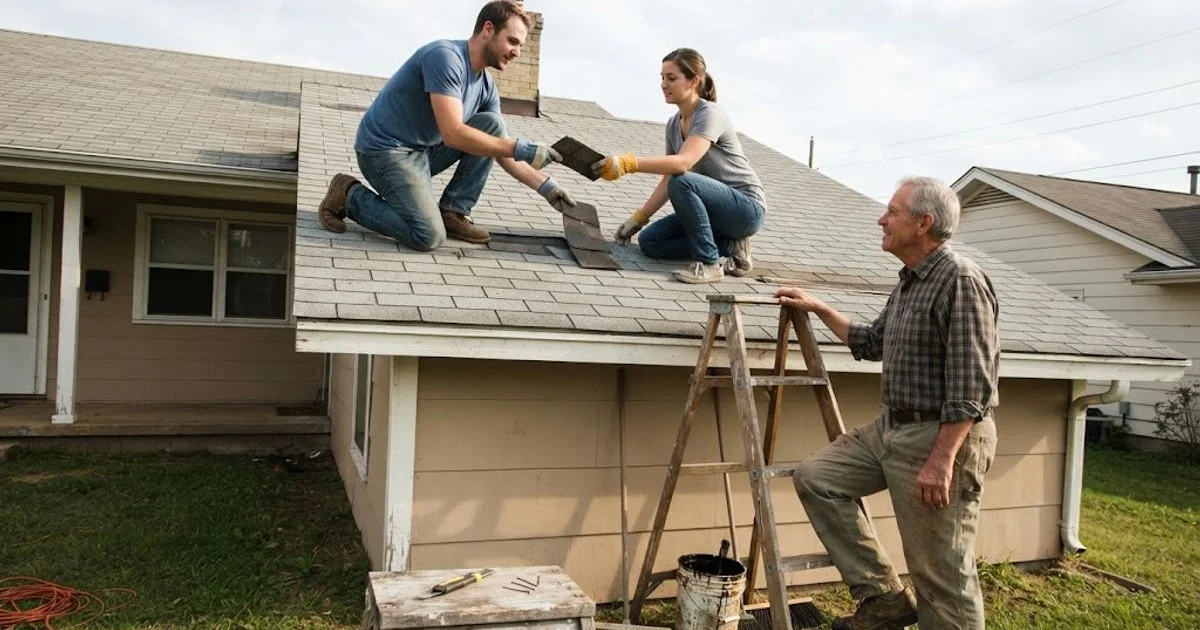
A failing roof is a serious problem for anyone, but it hits differently for a senior on a fixed income or a veteran managing a tight budget. Georgia has a mix of state, federal, and nonprofit programs aimed at exactly this kind of situation, though finding the right one takes a bit of legwork.
Where to start looking
Georgia’s Area Agencies on Aging are a strong first call for seniors, since they administer or can point you toward home repair and weatherization assistance available in your specific county. Community Action Agencies serve a similar role more broadly for low-income households. Programs and funding levels change year to year, so a phone call to confirm current availability is worth more than searching for a fixed list online.
| Resource type | Who it typically serves | Where to start |
|---|---|---|
| Area Agency on Aging | Seniors, often income-qualified | Local county AAA office |
| Community Action Agency | Low-income households broadly | County-level agency |
| Veteran-focused nonprofits | Veterans and their families | Local veterans service office |
| Weatherization Assistance Program | Income-qualified households | State or county weatherization office |
Weatherization and home repair assistance
State and federally supported weatherization programs primarily target energy efficiency, but many also address related structural issues, including roof problems that let in water or air, since those directly affect a home’s ability to stay weatherproof. Eligibility is usually income-based, and seniors on a fixed income often qualify even without a formal disability designation.
Veteran-specific resources
Several nonprofit organizations focus specifically on home repairs for veterans, and roofing sometimes falls within their scope depending on current funding and the severity of the need. A local veterans service office can point you toward organizations actively serving your county, since availability shifts as programs’ funding changes.
If you don’t qualify for a full program
Not every household meets strict income thresholds, and that doesn’t necessarily mean there’s no help available. Some community and faith-based organizations offer partial assistance, volunteer labor with the homeowner covering materials, for example, even outside formal program guidelines. It’s worth calling and asking directly rather than assuming you’re not eligible for anything.
What to have ready when you call
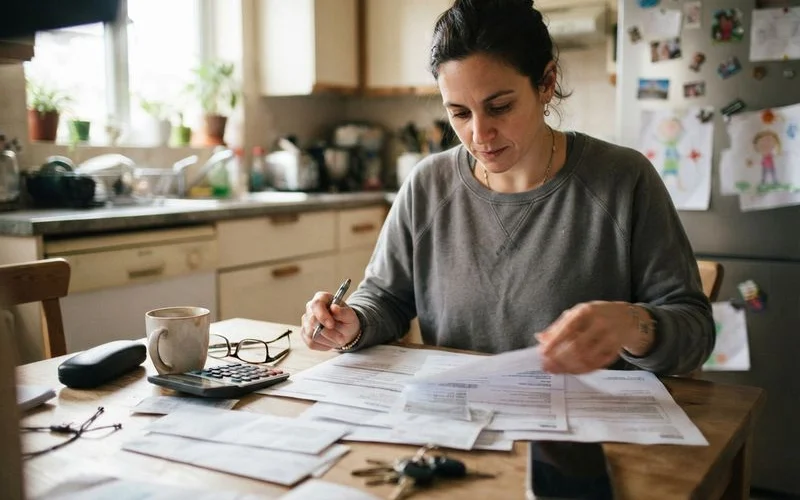
Applications for assistance programs typically move faster when you have a few things ready ahead of time: proof of income or a fixed benefit statement, proof of homeownership, and, if the roof damage is storm-related, any photos or documentation you already have. Some programs also ask for a contractor estimate as part of the application, so getting a written quote early, even before you know whether you’ll qualify, can save a round trip later in the process. A free inspection can get you that documentation without added cost; see our guide on free and low-cost roof inspections in Georgia for what’s really free.
Insurance still comes first if it applies
If your roof damage is storm-related, check whether homeowners insurance covers any part of it before pursuing an assistance program, since insurance and assistance programs are meant to work together, not as substitutes for each other. Some programs specifically ask whether you’ve filed an insurance claim as part of eligibility, since their funding is generally meant to help with what insurance doesn’t cover, not to duplicate it.
While you’re waiting on assistance
If a leak or damage needs immediate attention while you’re working through an application process, ask contractors directly whether they offer payment plans or reduced-rate emergency service for seniors or veterans; some do, even outside a formal assistance program.
Bringing in family or a trusted advocate
If navigating applications and phone calls feels overwhelming, especially while also dealing with active roof damage, it’s reasonable to ask an adult child, another family member, or a trusted friend to help make calls and track deadlines. Many agencies are used to speaking with an authorized representative and can walk through what documentation is needed for that person to assist on your behalf. If you’re helping a parent through this from a distance, our guide on helping an aging parent deal with storm roof damage from out of state covers that specific situation.
Watch for scams targeting assistance applicants
Unfortunately, scams sometimes target people actively seeking financial help, posing as assistance program representatives who ask for an upfront fee to process an application. Legitimate government and nonprofit assistance programs do not charge a fee to apply. If anyone asks for payment to submit an application on your behalf, treat that as a clear warning sign and verify the organization directly through official county or state channels before providing any personal or financial information.
Search our directory for roofing contractors in your area, and see our methodology for how listings are evaluated.
Questions people ask
- Are there government programs that help pay for roof repairs?
- Weatherization and home repair assistance programs exist at the state and federal level for qualifying low-income households, and eligibility often extends to seniors on a fixed income. Coverage and availability vary by county and program funding each year.
- Do veterans have roofing-specific assistance options?
- Several nonprofit organizations focus specifically on home repairs for veterans, sometimes including roofing, though availability depends on the organization's current funding and service area. Contacting a local veterans service office is a good starting point to find current options.
- How do I find out if I qualify for assistance in my county?
- Georgia's Area Agencies on Aging and local Community Action Agencies are good first calls, since they administer or can refer you to weatherization and home repair programs available in your specific county.
- What if I don't qualify for a full assistance program?
- Some nonprofits and community groups offer partial help, volunteer labor with the homeowner covering materials, for example, even for households that don't meet strict income limits. It's worth asking rather than assuming you don't qualify.