
How to vet a roofing contractor and avoid storm-chaser scams in Georgia
By Mei Tan · Updated 2026-07-15
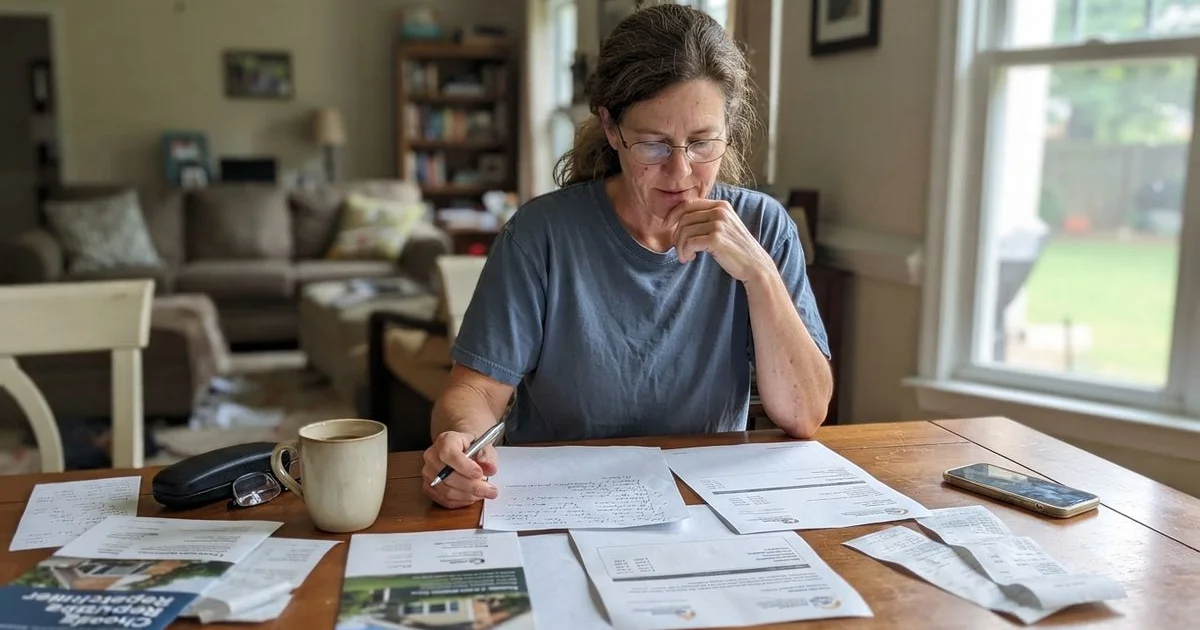
Most roofing contractors are straightforward professionals, but the industry also attracts a disproportionate share of scams, especially in the days after a major storm. Knowing what to check before you sign, and what patterns to watch for, protects both your roof and your wallet.
The baseline vetting checklist
Before hiring anyone, confirm these basics:
| What to check | Why it matters |
|---|---|
| Georgia contractor license number | Verifies they’re legally permitted to do the work |
| General liability and workers’ comp insurance | Protects you if a worker is hurt or property is damaged |
| Physical local address, not just a phone number | Shows they have a real, findable presence if issues arise |
| Written estimate with scope, materials, and cost | Prevents vague verbal promises from becoming disputes |
| References or a track record you can verify | Confirms the work described matches what actually happens |
Ask every contractor for their license number and check it against the state licensing board’s public search rather than trusting a business card or a truck decal. A legitimate contractor won’t hesitate to provide it.
Storm-chaser patterns to watch for
After hail or wind damage hits a Georgia neighborhood, it’s common for out-of-town crews to move through door to door offering fast repairs. Some are legitimate businesses expanding temporarily into a high-demand area. Others are not, and a few patterns show up again and again with the ones that aren’t:
- Unsolicited door-knocking claiming to have “noticed damage” on your roof from the street, before any inspection.
- Pressure to sign immediately, often framed as a limited-time or same-day-only offer.
- Offering to waive or cover your insurance deductible, which is illegal and usually means the invoice sent to your insurer is inflated.
- Requesting full payment upfront, especially in cash, before any contract or work has started.
- No verifiable local address or license, just a phone number and a truck.
None of these alone proves a scam, but two or more together is a strong signal to slow down and get a second opinion before signing anything.
Reading the contract before you sign
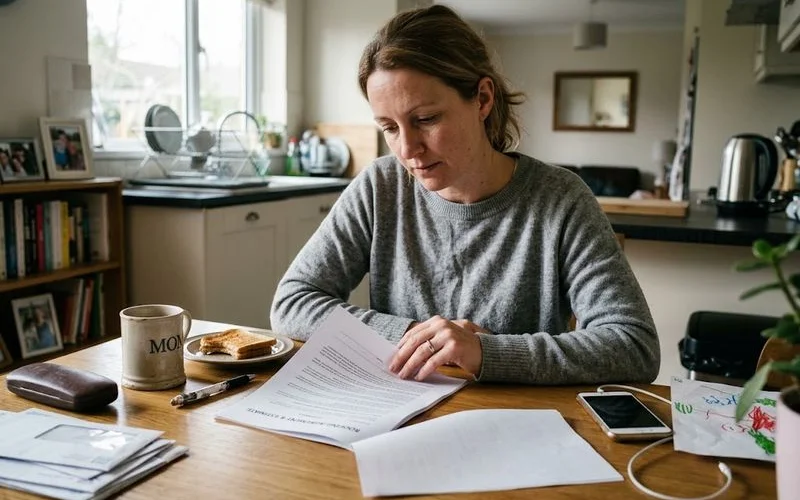
A written contract should spell out the scope of work, materials, total cost, payment schedule, start and estimated completion dates, and warranty terms for both materials and labor. Vague language like “repair as needed” without a defined scope leaves room for disputes later. If a contractor won’t put the agreement in writing, that alone is reason enough to walk away. The contract should also say who’s responsible for pulling the permit; see our guide on whether you need a permit for a new roof in Georgia for when that applies.
Checking reviews the right way
A high star rating alone doesn’t tell you much. Read a handful of the actual review text, not just the number, looking specifically for mentions of communication, whether the crew showed up when promised, and how the company handled anything that went wrong. A contractor with a few negative reviews who responded professionally and resolved the issue often says more about their reliability than a company with a flawless rating and no detail behind it. Consistency across a large number of reviews over time is a stronger signal than a handful of five-star ratings posted in a short window.
Getting a second opinion before a major job
For anything beyond a small repair, it’s worth getting at least two estimates, even if the first contractor seems perfectly reasonable. A second opinion isn’t about distrust, it’s a normal check that catches both overpricing and, sometimes, damage the first inspection missed entirely. If two independent contractors reach similar conclusions about scope and cost, that agreement is worth more than either estimate alone.
If something already feels wrong
If you’ve already paid a deposit to a contractor who’s since gone unresponsive, document everything (the contract, receipts, texts), file a complaint with the Georgia Secretary of State’s licensing board, and contact your local consumer protection office. Acting quickly improves your odds of recovering funds or getting the state to intervene.
This is general information, not legal advice. Contractor licensing rules and consumer protections can change, so verify current requirements directly with Georgia’s licensing authorities before relying on anything here. Search our directory for licensed local contractors, and see our methodology for how listings are vetted.
Questions people ask
- What license should a Georgia roofing contractor have?
- Georgia requires roofing contractors performing certain scopes of work, and those on projects over set dollar thresholds, to hold a state-issued license. Ask for the license number and verify it directly with the Georgia Secretary of State's licensing board search, not just by taking the contractor's word for it.
- What is a storm chaser and why are they a red flag?
- A storm chaser is an out-of-town crew that follows severe weather from region to region, going door to door offering repairs right after a storm. They're not always dishonest, but the lack of a local presence makes warranty follow-through and accountability much harder if something goes wrong.
- Is it legal for a contractor to offer to waive my insurance deductible?
- No. Offering to cover, waive, or rebate your deductible is illegal in Georgia and most states, and it's one of the clearest signs of a scam. A contractor doing this is often inflating the invoice to your insurer to cover the difference.
- Should I pay a deposit before work starts?
- A reasonable deposit for materials is normal. Be cautious of a contractor asking for the full amount upfront, in cash only, or before any contract is signed.