
Do you need a permit for a new roof in Georgia?
By Mei Tan · Updated 2026-08-03
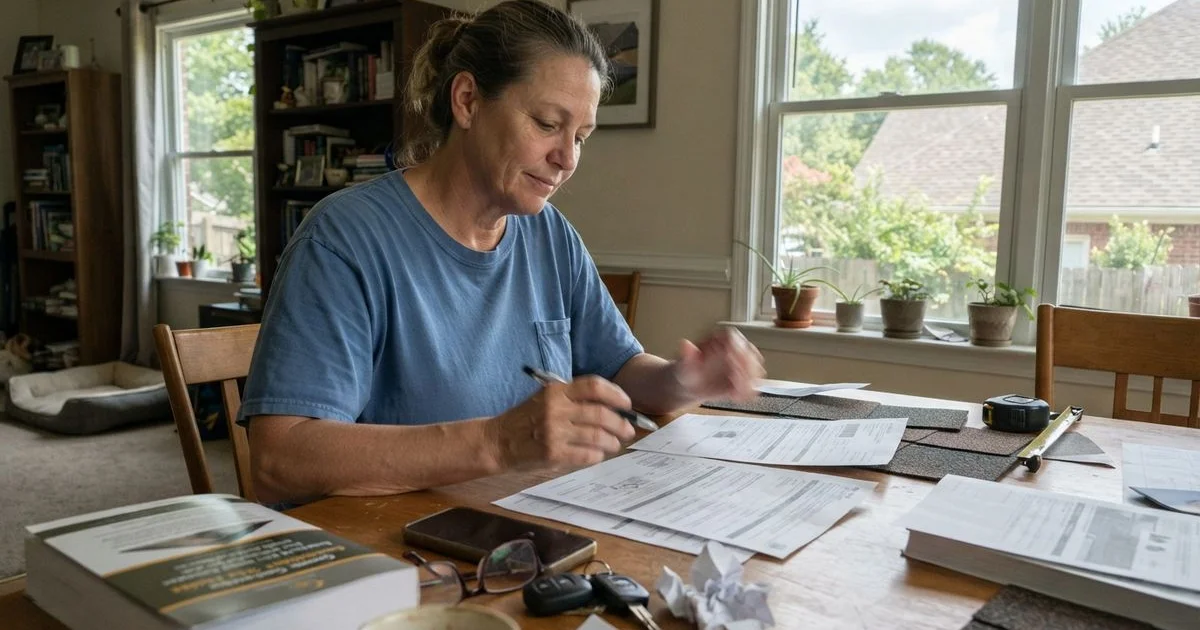
A roofing permit isn’t just paperwork, it’s a local inspector’s confirmation that the work meets code before it’s covered up and forgotten. Whether you need one for your project, and what happens if you skip it, depends on where in Georgia you live and the scope of the work.
When a permit is typically required
Most Georgia cities and counties require a permit for a full roof replacement or tear-off, since it involves structural decking and a substantial change to the home. Requirements for smaller repairs, patching a section of shingles, for example, vary more by jurisdiction. Some local building departments exempt minor repairs below a certain scope or cost, while others require a permit for any roofing work.
| Type of work | Permit typically required? |
|---|---|
| Full roof replacement or tear-off | Yes, in most Georgia jurisdictions |
| New construction roofing | Yes |
| Repair of a small, localized section | Varies by city or county |
| Gutter installation or repair | Varies, often not required |
Because rules differ across Georgia’s cities and counties, the only reliable way to know for certain is to check with your specific local building department before work starts, not to assume the rule from a neighboring town applies to you.
Why the permit protects you
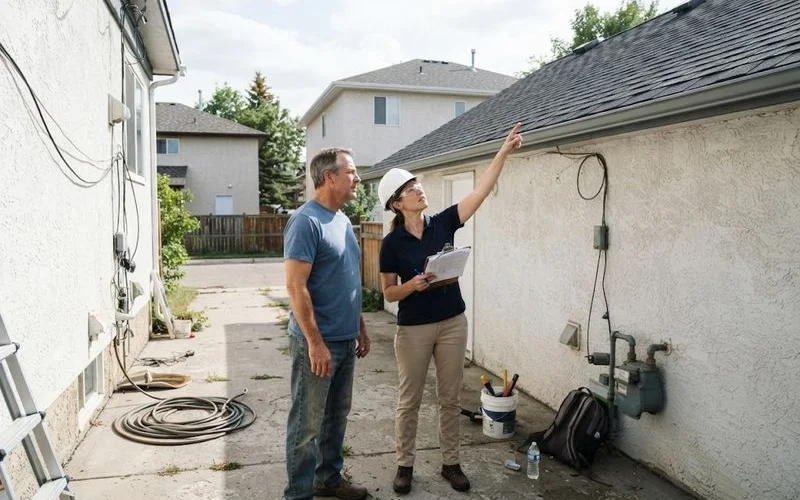
A permit means an inspector reviews the job, usually at least once during the process and again at completion, checking that decking, underlayment, and flashing meet current code. That’s a real, independent check on the work that simply doesn’t exist without a permit. It also creates an official record of the work, which matters when you eventually sell the home.
Who’s responsible for pulling it
A licensed roofing contractor typically handles the permit as a normal part of the job, and it should be included in your written estimate rather than billed as a surprise add-on. If a contractor suggests skipping the permit to save time or money, or asks you to pull it yourself so the work looks smaller on paper, that’s a real warning sign worth pausing on. Unlicensed or uninsured contractors are more likely to avoid permits since the inspection process would flag their lack of credentials. That gap in insurance matters beyond the permit too; see our guide on who’s liable when a roofing job damages your property or hurts a worker.
Permit costs and timelines
Permit fees for roofing work are typically modest relative to the overall project cost, often a few hundred dollars depending on the jurisdiction and project scope, and should be listed as a line item on your written estimate rather than folded into a vague total. Timelines for approval also vary: some Georgia counties issue routine roofing permits within a day or two, while others take longer depending on current volume. Ask your contractor how they typically handle scheduling around permit approval so a delay doesn’t catch you off guard.
How to verify a permit was actually pulled
Don’t just take a contractor’s word that a permit is in place. Most Georgia counties and cities offer an online permit lookup tool where you can search by address to confirm an active permit exists for your property. Checking this yourself, ideally before work begins, is a simple way to catch a contractor who said they’d pull a permit but didn’t follow through.
What unpermitted work can cost you later
Unpermitted roofing work can surface as a problem well after the job is done, often when you sell the house. Some jurisdictions require disclosure of unpermitted work, and it can complicate a buyer’s inspection, financing, or even trigger a requirement to have the work re-inspected or, in worse cases, opened back up to verify it meets code. What seemed like a shortcut at the time can become a real cost and delay down the road.
A quick question worth asking every contractor
Before signing a contract, simply ask: “will you be pulling a permit for this job, and can I see it once it’s issued.” A contractor who answers clearly and confidently is telling you something useful about how they run their business, separate from the roofing work itself.
This is general information, not legal advice, and permit rules vary by Georgia city and county. Confirm current requirements with your local building department before starting any roofing project. Search our directory for licensed contractors familiar with local permit requirements, and see our methodology for how listings are vetted.
Questions people ask
- Is a permit always required to replace a roof in Georgia?
- Most Georgia municipalities require a permit for a full roof replacement, though rules vary by county and city. Some allow minor repairs without one. Check with your local building department, since requirements aren't uniform statewide.
- Who is responsible for pulling the permit, me or the contractor?
- A licensed contractor typically pulls the permit as part of the job. If a contractor asks you to pull it yourself, or suggests skipping it entirely, treat that as a warning sign.
- What happens if a roof is installed without a required permit?
- Unpermitted work can create problems when you sell the home, since it may need to be disclosed and can complicate a buyer's inspection or financing. Some jurisdictions can also require the work to be opened up and re-inspected.
- Does a permit guarantee the work was done correctly?
- Not on its own, but it means a local inspector reviewed the work against code at a defined point in the project, which is a real check that unpermitted work simply doesn't have.