
Roof leaks and mold: the health risks of ignoring water damage
By Mei Tan · Updated 2026-08-07
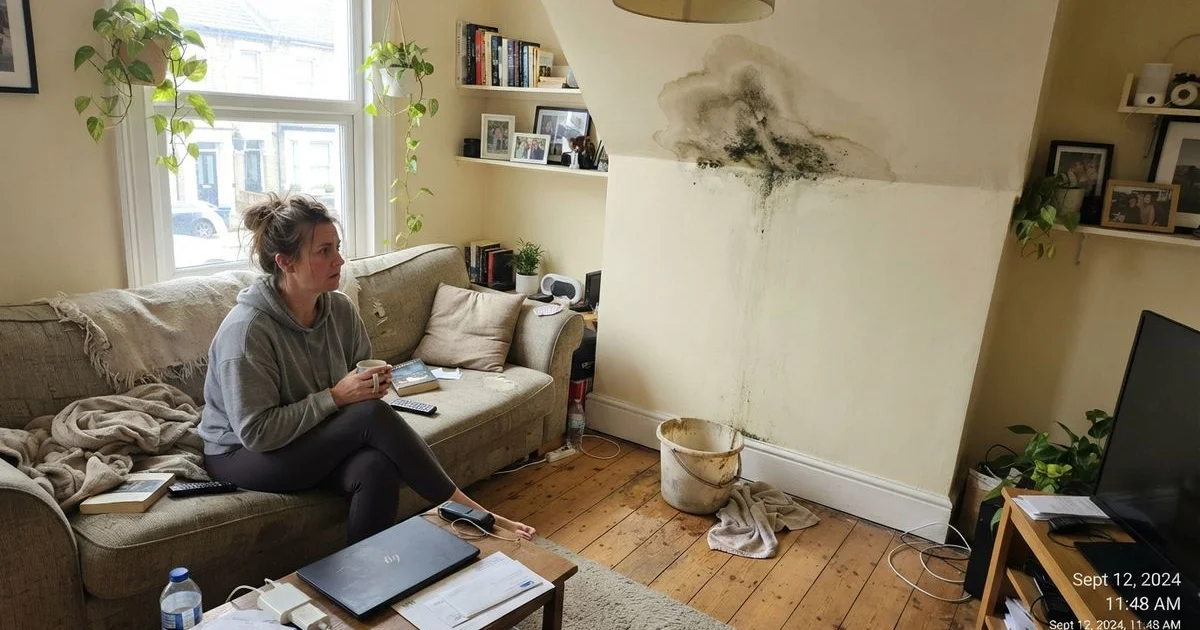
A roof leak rarely stays a roof problem for long. Once water gets into an attic, wall cavity, or ceiling, it creates exactly the conditions mold needs to grow, and what starts as a cosmetic stain can turn into a real air quality issue inside the home.
Combine that with notoriously steamy hot Georgia summers that seem to be getting longer each year, and you may as well set out a welcome mat and invite the mold into your home.
How fast mold actually develops
Mold doesn’t need much time. In warm, dark, consistently damp conditions, which describes the space behind a roof leak fairly well, visible growth can begin within a day or two. That’s a much shorter window than most homeowners assume, and it’s part of why acting quickly on a leak, rather than waiting to see if it gets worse, matters more than it seems.
The health effects people commonly report
Reactions to mold exposure vary widely by individual, but the symptoms most commonly reported include coughing, sneezing, throat and eye irritation, and headaches. People with asthma, allergies, or existing respiratory conditions often notice a more pronounced reaction, since mold spores can trigger or worsen those conditions specifically.
| Situation | Typical risk level |
|---|---|
| Leak caught and dried within a day or two | Low, minimal mold risk |
| Leak left unaddressed for a week or more | Moderate, mold growth likely started |
| Visible mold on ceiling, walls, or in the attic | High, professional remediation likely needed |
| Musty odor without visible source | Worth investigating, may indicate hidden mold |
Where mold hides after a leak
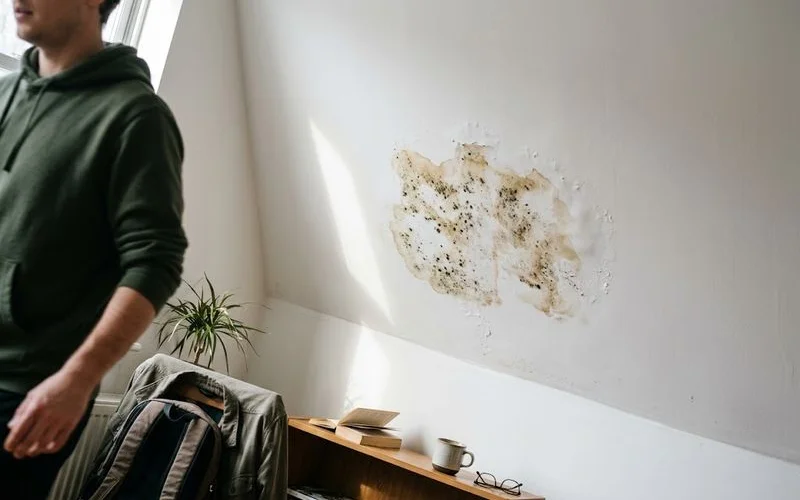
Visible staining on a ceiling is often just the surface sign of a bigger, hidden problem. Mold frequently grows inside wall cavities, under insulation, and behind drywall, areas you won’t see without opening things up. A musty smell without an obvious visible cause is a common sign that mold has developed somewhere out of sight.
When to call a professional versus handle it yourself
Small, isolated surface mold on a hard, non-porous surface can sometimes be cleaned with basic household products. Mold that’s spread across a larger area, is growing on porous material like drywall or insulation, or keeps coming back after cleaning needs a professional remediation service, since surface cleaning without fixing the moisture source, and without proper containment, often just spreads spores rather than eliminating them.
Why Georgia’s climate raises the stakes
Georgia’s combination of summer heat and high humidity creates favorable conditions for mold growth even without a leak, which means a roof leak here has less margin for error than it might in a drier climate. Humid air already sitting in an attic space accelerates the process once water is introduced, and the same humidity can slow drying out after a leak is fixed. This is part of why a fast response and, in some cases, active dehumidification during cleanup matter more here than they might elsewhere.
Signs the problem has been going on longer than you realized
A leak isn’t always dramatic. Slow, small leaks around a flashing seam or vent can go unnoticed for months, showing up only as a faint discoloration, a slightly soft spot in the ceiling, or a musty smell in one room that comes and goes. These subtle signs are worth taking seriously rather than dismissing, since a small hidden leak given enough time can cause more extensive mold growth than a single dramatic storm leak that gets noticed and addressed immediately.
Fixing the roof is the actual solution
No amount of mold cleanup solves the underlying problem if the roof leak that caused it isn’t repaired first. Addressing the leak source, whether that’s a repair or a full replacement, has to happen alongside or before remediation, otherwise the moisture returns and so does the mold. If the fix looks small, our guide on when DIY roof repair is safe covers what’s reasonable to handle yourself and when to call a pro.
A sensible order of operations is: stop the leak, dry the affected area completely, then address any mold that’s already present. Skipping straight to mold remediation without confirming the leak is actually fixed is one of the more common and costly mistakes homeowners make, since it often means paying for the same cleanup twice.
This is general health and safety information, not medical advice. If you or a household member is experiencing ongoing symptoms you suspect are related to mold exposure, consult a physician. Search our directory for roofing contractors who can address the source leak, and see our methodology for how listings are vetted.
Questions people ask
- How fast can mold grow after a roof leak?
- Mold can begin developing within 24 to 48 hours in the right conditions, warm, dark, and consistently damp, which describes an attic or wall cavity behind a leak fairly well.
- What are the health symptoms linked to mold exposure?
- Commonly reported symptoms include coughing, sneezing, throat and eye irritation, and worsened symptoms for people with asthma or allergies. Reactions vary a lot by individual, and some people notice nothing at all.
- Can I just clean visible mold myself?
- Small, isolated surface mold on a hard surface can sometimes be cleaned. Mold behind drywall, in insulation, or covering a large area is a job for a professional, since removal without addressing the moisture source just invites it back.
- Will homeowners insurance cover mold remediation from a roof leak?
- It depends on your policy and whether the leak itself was a covered event. Many policies limit or exclude mold coverage, especially if the leak went unaddressed for a long time. Check your specific policy language.