
What a new roof costs in Georgia and what changes the price
By Mei Tan · Updated 2026-07-01

Most homeowners researching a new roof in Georgia start with one question: what is this actually going to cost. The honest answer is a range, not a single number, because material choice and roof complexity move the price more than location does. This guide breaks down what drives the cost of a new roof replacement.
Typical cost by material
The ranges below are for a standard 2,000-square-foot single-story roof that needs the old roofing torn off first, which is the most common job. Steeper pitches, extra stories, or a second tear-off layer push these numbers up.
| Material | Typical cost range |
|---|---|
| Asphalt shingles | $8,800 - $12,400 |
| Architectural shingles | $11,700 - $16,600 |
| Metal (standing seam) | $20,500 - $29,000 |
| Tile | $27,400 - $38,600 |
| Slate | $39,100 - $55,200 |
Asphalt and architectural shingles cover most residential jobs in Georgia because they balance upfront cost with a lifespan that suits the climate. Metal, tile, and slate cost more to install but tend to last two to four times as long, which changes the math if you plan to stay in the home for decades.
What actually changes the price
A few factors move the number more than most homeowners expect:
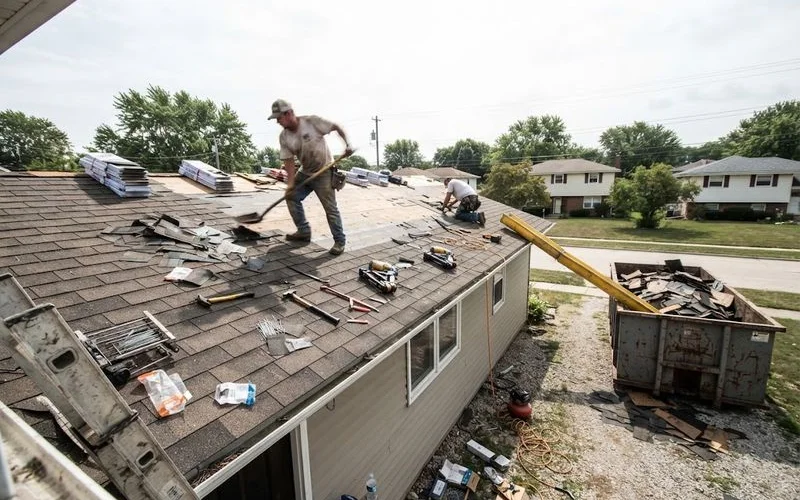
- Tear-off. Removing an old roof, especially a second layer, adds real labor cost. New construction without tear-off runs meaningfully cheaper.
- Roof pitch and stories. Steep roofs and multi-story homes require more safety equipment and slower, more careful work.
- Decking condition. If plywood underneath is soft or rotted, replacing it adds cost that a quote often can’t confirm until tear-off starts.
- Roof complexity. Valleys, dormers, chimneys, and skylights all add flashing work, which is where leaks most often start if it’s done poorly.
- Permit and disposal fees. Most Georgia municipalities require a roofing permit and dumpster fee, and these should already be built into a written estimate.
Once you have a price range in mind, the step-by-step roof replacement guide walks through what happens from tear-off to final walkthrough.
What a written quote should actually include
A trustworthy estimate spells out the material brand and grade, the underlayment type, flashing scope, disposal method, and the permit fee as separate line items rather than a single total. That level of detail makes it far easier to compare two bids that use different language for the same work, and it gives you something concrete to hold a contractor to if the finished job doesn’t match what was promised. If a quote is just one number with a material name attached, ask for the breakdown before deciding anything.
Ways to budget without cutting corners
Get at least three written estimates that break out material, labor, tear-off, and disposal separately, not just one lump number. That makes it much easier to see where quotes actually differ. Ask each contractor what their labor warranty covers and for how long, since a cheap material warranty means little if the installation itself fails.
Timing can also affect price. Late fall and winter are typically slower seasons for Georgia roofing crews, and some contractors offer better pricing or faster scheduling outside the busy spring and summer storm-repair rush. If your roof isn’t leaking and the job isn’t urgent, asking about off-season timing is a reasonable way to potentially lower the cost without changing the scope of work.
If your roof damage came from a storm, check with your insurer before committing to anything. A storm-damage claim can cover some or all of a replacement, which changes what “budget” even means for the job. Keep in mind that insurance payouts on an older roof are sometimes reduced by depreciation, so the amount you’re actually budgeting out of pocket may be higher than the total replacement cost alone suggests.
When a low quote is a red flag
A bid that comes in far below the others for the same material and scope usually means something is missing: a thinner underlayment, no flashing replacement, a smaller crew working faster than the job allows, or a “cash discount” that skips a permit. None of those show up until the roof is already on. If a number looks too good, ask the contractor to walk through exactly what it includes, line by line, before you sign anything.
This guide is general cost information, not a quote. A contractor’s on-site inspection is the only way to get an exact price for your roof. See our methodology for how we vet and rank roofing contractors listed on this site.
Questions people ask
- What's a fair price for a new roof in Georgia?
- For a typical 2,000-square-foot single-story home with the old roof torn off, asphalt shingles usually land between $8,800 and $12,400. Architectural shingles run higher, and metal, tile, or slate cost more still. A quote well below or far above that range for the same materials is worth a second look.
- Why do two quotes for the same roof come in so far apart?
- Material grade, crew size, warranty length, and whether the price includes full tear-off, decking repair, and permit fees all vary. A lower bid sometimes skips one of those and adds it back as a change order later.
- Does roof size alone determine the cost?
- Size is the biggest factor, but pitch, the number of stories, roof complexity (valleys, chimneys, skylights), and how many layers need to come off all add labor time and change the final number.
- Is it worth paying more for a longer warranty?
- It can be, especially for labor warranties, since most roof failures trace back to installation rather than materials. Compare what's actually covered, not just the number of years quoted.