
What to expect during a full roof replacement, step by step
By Mei Tan · Updated 2026-07-13
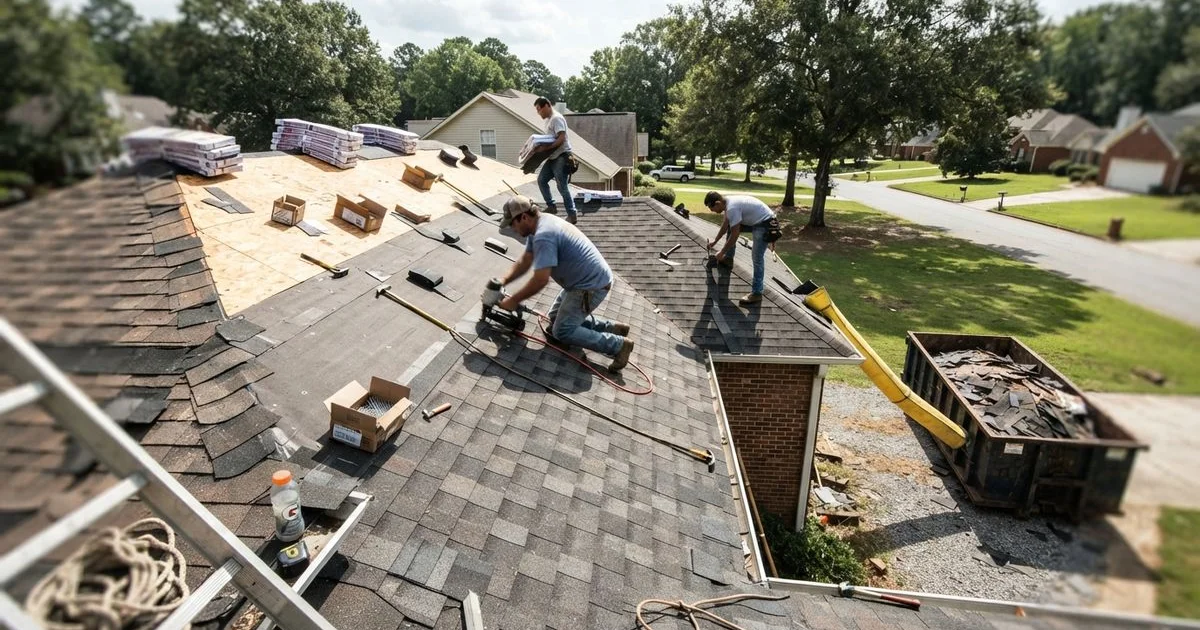
A full roof replacement is one of the bigger projects a homeowner takes on, and most of the anxiety around it comes from not knowing what the process actually looks like. Here’s a realistic walkthrough of what happens between signing a contract and getting your final walkthrough, whether you found your contractor here or elsewhere.
Before the crew arrives
A good contractor confirms the material order, pulls the required permit, and gives you a start date with a weather contingency built in, since roofing can’t happen safely in rain or high wind. This is also the point to move cars out of the driveway and clear anything valuable from the attic, since vibration during tear-off can shake loose dust and debris.
Day one: tear-off and decking
The crew strips the old roofing down to the decking, hauls debris to a dumpster or trailer, and inspects the exposed wood for soft spots, rot, or water staining. Any damaged decking gets replaced before anything new goes on top of it, since installing new shingles or panels over compromised decking just guarantees a future problem. This is the stage most likely to reveal a change order, and a straightforward contractor will show you the damage in person before proceeding.
| Stage | What happens | Typical duration |
|---|---|---|
| Prep and permit | Material order, permit pulled, tarps set | Before day one |
| Tear-off | Old roofing removed, decking inspected | Half a day to a full day |
| Underlayment and flashing | Water barrier and flashing installed | Half a day |
| New roofing installed | Shingles or panels laid, ridge and vents finished | One to two days |
| Cleanup and walkthrough | Debris hauled, yard swept, final inspection | Final half day |
Underlayment, flashing, and the new roof
Once the decking is sound, the crew installs a water-resistant underlayment and, in valleys and around chimneys or skylights, ice and water barrier and new flashing. This layer does more to prevent leaks than the visible shingles or panels above it, so it’s worth asking your contractor to walk you through what’s going in here specifically. The new roofing material goes on last, followed by ridge caps, vents, and any final trim work.
What to expect from the noise and disruption
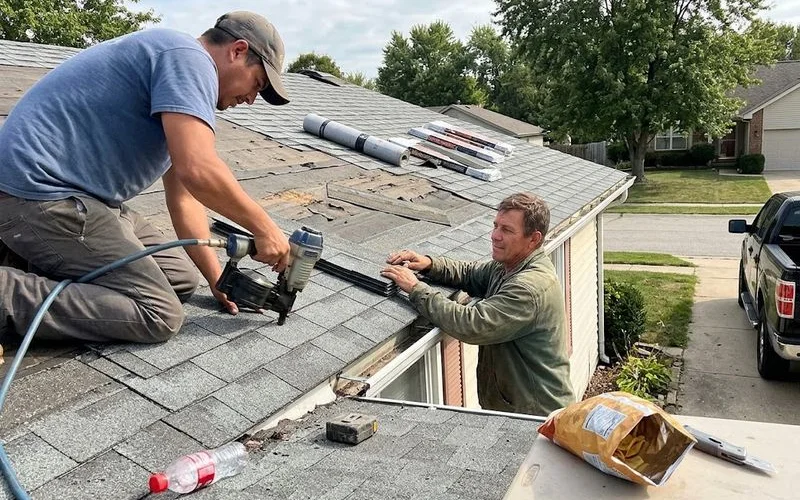
Tear-off day is the loudest and most disruptive part of the project, with tools running, material being dropped into a dumpster or trailer, and near-constant footsteps overhead. Most homeowners find it easiest to plan around this day specifically, working from another room, running errands, or simply setting expectations with anyone working from home that it won’t be a quiet day. Pets often do better in a room away from the noise, or with a family member for the day if the sound seems to stress them out.
Weather delays are normal, not a red flag
Roofing crews build weather contingencies into their schedules because rain, high wind, or extreme heat can make the work unsafe or compromise the new roofing materials before they’re properly sealed. A one or two day delay because of weather isn’t a sign of a disorganized contractor, it’s a sign of one taking the work seriously. What matters is clear communication about the revised timeline, not the delay itself.
Cleanup and the final walkthrough
A thorough crew runs a magnetic roller across the yard and driveway to pick up stray nails, hauls away the dumpster, and does a final walkthrough with you to point out completed work, any repairs made along the way, and warranty paperwork. This is the moment to ask questions and get everything about your warranty coverage in writing before the crew leaves the property for good. If you’re doing this ahead of a sale rather than for your own home, our guide on replacing a roof before selling a house in Georgia covers the added considerations.
Most Georgia municipalities require a permit and a final inspection for a full roof replacement, so confirm with your contractor that both are handled as part of the project, not left for you to sort out afterward. Learn more about how contractors on this site are scored on our methodology page, and search our directory for a licensed roofer serving your county.
Setting realistic expectations going in
Most full replacements go smoothly when the contractor communicates clearly at each stage, but it’s still a construction project, with dust, noise, and the occasional surprise once the old roof comes off. Homeowners who go in expecting a predictable, if disruptive, few days tend to have a much better experience than those expecting the process to be invisible. A contractor who explains what’s happening at each stage, rather than disappearing until the job is done, is usually the difference between a stressful week and a manageable one.
Questions people ask
- How long does a full roof replacement take?
- A straightforward single-story home usually takes one to two days. Larger homes, steep pitches, or a full tear-off of multiple layers can stretch a job to three or four days.
- Will I need to move out during the replacement?
- No, most homeowners stay in the house. Expect noise, some vibration, and debris falling near the foundation, so it helps to move vehicles and cover attic items that dust might reach.
- What happens if the crew finds rotted decking mid-job?
- A reputable contractor stops, shows you the damage, and gives you a written change order with the added cost before replacing it. Decking replacement is common enough that it's worth asking how it's priced before work starts.
- How is my property protected during the tear-off?
- Crews should lay tarps around the foundation and landscaping to catch debris, and use a magnetic roller afterward to sweep up stray nails from the yard and driveway.