
Replacing your roof before selling a house in Georgia
By Mei Tan · Updated 2026-07-29
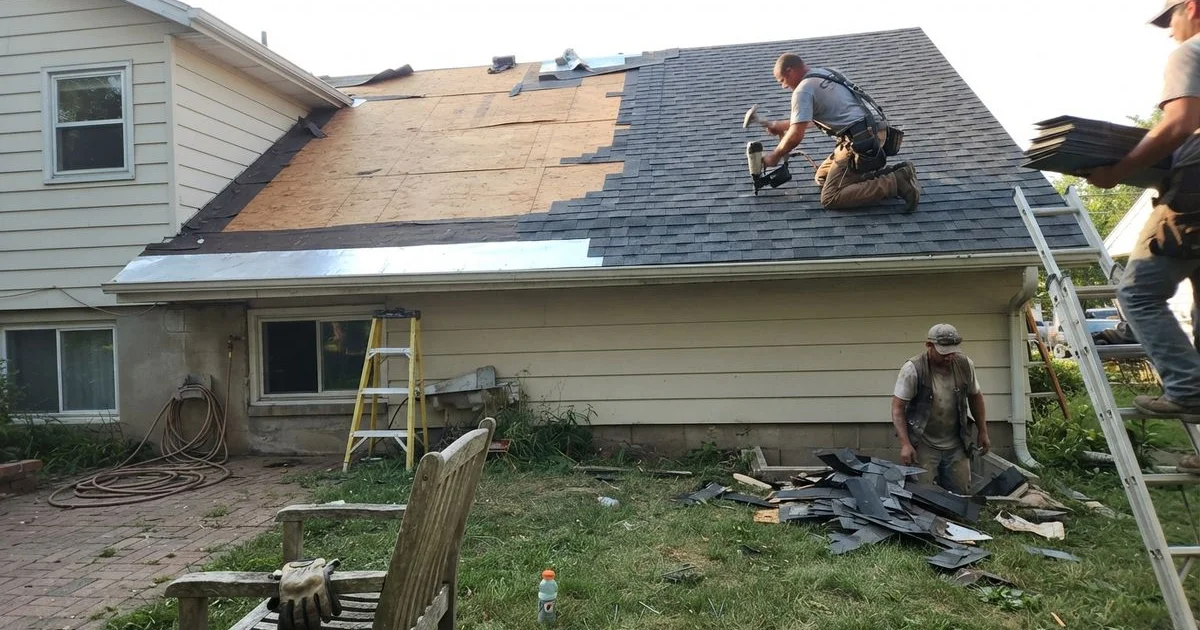
Deciding whether to replace a roof before listing a house in Georgia is one of the more expensive judgment calls in the selling process, and the right answer depends heavily on your roof’s actual condition, not just its age. Here’s how to think it through before committing to a full roof replacement.
Why roof condition affects a sale
A home inspection almost always flags roof condition, and a roof with visible wear, missing shingles, or a limited remaining lifespan can become a negotiating point, or in some cases a lending obstacle. Certain loan programs require roofs in poor condition to be repaired or replaced before closing, which can stall or unwind a deal that’s otherwise ready to close.
What actually gets flagged
| Condition | Typical impact on a sale |
|---|---|
| Newer roof, no visible issues | Minimal, often a selling point |
| Moderate wear, no active leaks | May come up in negotiation, rarely a dealbreaker |
| Missing shingles, visible sagging | Likely to affect financing or trigger repair requests |
| Active leaks or documented water damage | High risk of delayed closing or price reduction |
Does it pay for itself
Roof replacement is consistently one of the home improvements that recoups a strong share of its cost in added home value at resale, though the exact percentage moves with local market conditions and how visibly worn the old roof was. It’s rarely a full dollar-for-dollar return, but it tends to outperform many other big-ticket renovations because buyers weigh roof condition heavily and a bad roof scares off more offers than it should relative to the actual repair cost. For a sense of what you’d be weighing against that return, see what a new roof costs in Georgia and what changes the price.
The middle-ground option
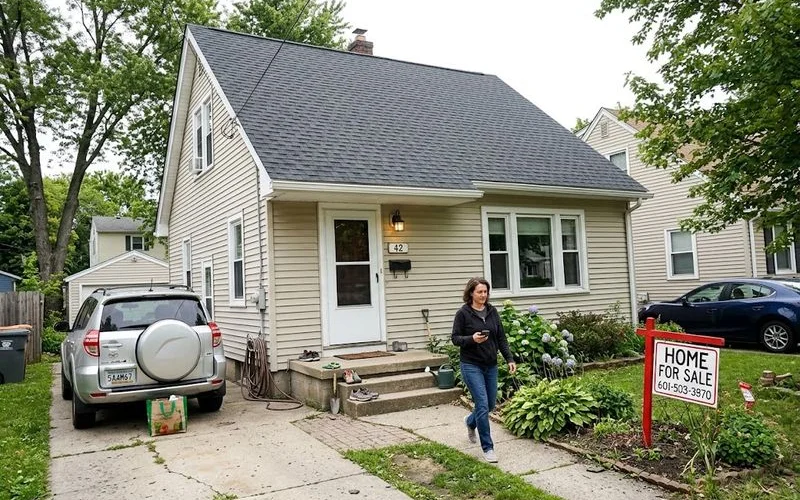
If the roof isn’t failing but is showing age, a pre-listing inspection can settle the question. A documented repair addressing specific issues, paired with a clean inspection report, sometimes satisfies buyers and lenders without the cost of a full replacement. This works best when the roof genuinely has meaningful life left, not when it’s being used to paper over a roof that’s actually near the end.
Choosing materials with resale in mind
If you do decide to replace, the material choice matters for resale in ways it might not for a homeowner planning to stay long-term. Standard architectural shingles tend to be the safest choice for broad buyer appeal, since they’re familiar and match what most buyers expect without raising questions. A premium material like metal or tile can be a genuine selling point in the right market, but it’s worth asking a local real estate agent whether buyers in your specific area actually pay a premium for it before spending the extra money purely for resale purposes.
Disclosure obligations
Georgia generally requires sellers to disclose known material defects, and a roof with a known leak history or unresolved damage typically falls into that category. Attempting to hide a known roof issue rather than either fixing it or disclosing it honestly creates real legal risk after closing if the buyer discovers it later. A documented repair or replacement, done properly and disclosed, is a far safer position than an undisclosed patch job.
Timing the work around your listing date
If you decide to replace, scheduling matters. A roof replacement that finishes right before photos and showings begin lets you market the home with a genuinely new roof, which tends to carry more weight with buyers than a roof that’s simply described as “recently repaired.” Build in a buffer for weather delays so the project doesn’t run into your planned listing date, since a driveway full of roofing debris during a showing is its own kind of problem.
What to do before you decide
Get a professional roof inspection before listing, regardless of which way you’re leaning. A written report gives you a concrete basis for the decision and something to hand a buyer’s inspector proactively, which builds trust and can head off a renegotiation after the fact. If replacement makes sense, doing it before listing, rather than after an inspection contingency forces the issue, usually gives you more control over the contractor and timeline.
Search our directory to compare roof replacement contractors, and see our methodology for how listings are scored.
Questions people ask
- Will a new roof help me sell my house faster?
- A roof in poor condition can slow a sale or trigger buyer financing issues, since some loan programs require repairs before closing. A newer roof removes that friction, though it doesn't guarantee a faster sale on its own.
- Do I get my money back on a roof replacement when I sell?
- Roof replacement typically recoups a solid majority of its cost in added home value, though the exact return varies by market and roof condition. It's rarely a full dollar-for-dollar return, but it's one of the higher-recovery home improvements.
- What if my roof isn't failing but is just old?
- A roof nearing the end of its expected life, even without active leaks, often comes up in inspections and can affect buyer financing or insurance eligibility. A pre-listing inspection can tell you whether it's a real concern or not.
- Is a repair enough instead of a full replacement before selling?
- Sometimes. If the roof has years of life left and only isolated damage, a documented repair plus a clean inspection report can satisfy most buyers without the cost of a full replacement.